
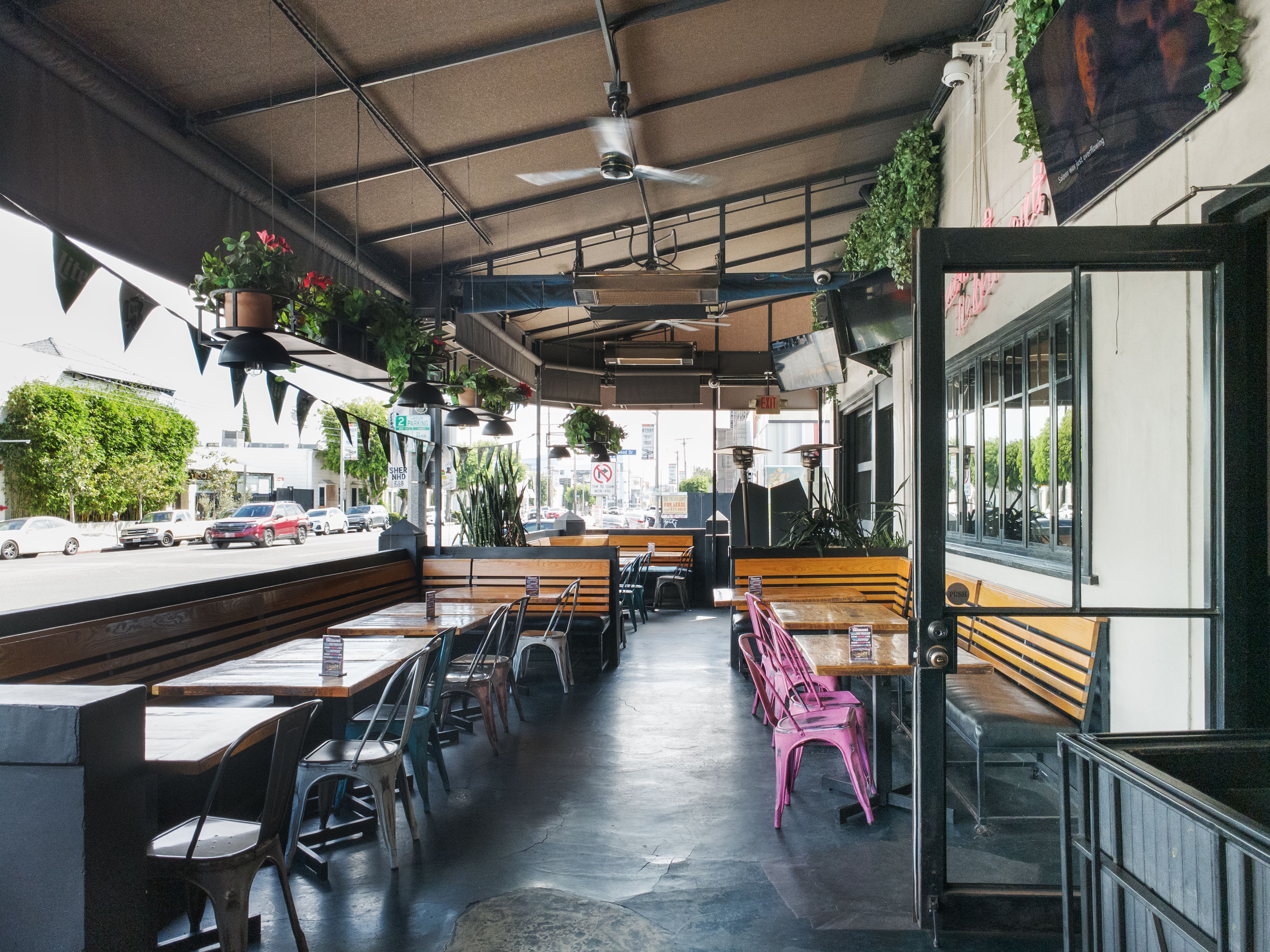
The Difficulties of Leasing a Restaurant in Los Angeles Published by TableLot | Restaurant Real Estate & Acquisition Leasing a restaurant in Los Angeles sounds exciting and it is. But for the uninitiated, the road from finding a space to signing a lease can be filled with unexpected challenges, costly surprises, and complex negotiations. Los Angeles is one of the most competitive restaurant real estate markets in the country, driven by high demand, elevated rents, and a regulatory environment that demands careful attention. Whether you are an experienced operator expanding to a second location or an entrepreneur opening your first concept, understanding the difficulties ahead is essential before you commit to a space. This guide breaks down the most common obstacles operators face when leasing a restaurant in Los Angeles and what you can do to protect yourself at every step.
- High Base Rents and Escalating NNN Costs One of the first shocks new operators experience in the Los Angeles market is the cost of rent. Restaurant lease rates across the city vary enormously by neighborhood. In high-demand corridors Beverly Hills, West Hollywood, Santa Monica, Brentwood, Silver Lake, and the Arts District annual rents can range from $40 to over $100 per square foot, depending on the location and build-out quality. For a modest 2,000 square foot space at $50 per square foot, that is $100,000 per year in base rent alone before you account for anything else. The majority of restaurant leases in Los Angeles are structured as Triple Net (NNN) agreements. Under a NNN lease, tenants pay base rent plus their proportionate share of property taxes, building insurance, and Common Area Maintenance (CAM) fees. These additional costs often called NNN charges can add $8 to $20 or more per square foot annually on top of base rent. The problem is that NNN charges are estimated at lease signing, and they can escalate significantly year over year. Property tax reassessments, rising insurance premiums particularly in areas exposed to wildfire risk and landlord-controlled CAM expenditures can cause your real monthly rent to balloon in ways your opening-year proforma never anticipated. The key negotiating tactic here is to insist on annual caps on NNN charge increases typically three to five percent per year. Without a cap, a single property tax reassessment or a major parking lot resurfacing project can spike your monthly rent obligation with no warning and no ceiling.
- Personal Guarantee Requirements Landlords in Los Angeles routinely require personal guarantees from restaurant tenants, particularly first-time operators or businesses without a substantial operating track record. A personal guarantee means that if your restaurant fails and you cannot meet the lease obligations, the landlord can pursue your personal assets your home, savings, and other holdings to recover unpaid rent. Full personal guarantees covering the entire lease term are standard asks from landlords, but they represent enormous personal financial exposure. A 10-year lease with $15,000 in monthly rent obligations means a potential $1.8 million personal liability if things go sideways. Experienced operators work to negotiate "burning" personal guarantees structures where personal liability burns off over time as the tenant establishes a track record of on-time payments. A typical structure might limit personal liability to 12 to 24 months of rent rather than the full lease term. If a landlord absolutely insists on a full guarantee, consider engaging an attorney to negotiate a cap on the dollar amount of personal exposure.
- Lengthy and Expensive Permitting Processes Even after a lease is signed, opening a restaurant in Los Angeles requires navigating a complex multi-agency permitting process. Depending on the scope of your build-out and the history of the space, you may need approvals from the Los Angeles Department of Building and Safety (LADBS), the Los Angeles County Department of Public Health Environmental Health Division, the California Department of Alcoholic Beverage Control (ABC), and potentially the City Planning Department. For a new build-out or a significant remodel, the timeline from permit application to certificate of occupancy can range from six months to well over a year. Plan check reviews alone can take 20 or more working days, and corrections, revisions, and re-submissions can extend that timeline substantially. In the meantime, you are typically paying rent on a space you cannot yet operate a significant carrying cost that many first-time operators underestimate in their pre-opening budgets. This is one of the strongest arguments for leasing a second-generation restaurant space with existing infrastructure already in place. Operators who take over a functional kitchen with current permits intact can dramatically compress the time between lease signing and opening day.
- Restrictive Use Clauses Restaurant leases in Los Angeles frequently include use clauses that restrict what type of food business you can operate in the space. A use clause might limit your permitted use to a very specific concept for example, "Italian dine-in restaurant" rather than broadly permitting "restaurant and food service uses." This matters for two critical reasons. First, if market conditions shift and you need to pivot your concept from full-service to fast-casual, from dine-in to ghost kitchen, from Thai to Mexican a restrictive use clause may prevent you from making that change without landlord approval. Second, and more consequentially, a narrow use clause can severely limit the pool of buyers if you ever want to sell your business. If your lease says "sushi restaurant only," a buyer who wants to operate a pizza concept cannot take over that lease without renegotiating with the landlord a process that can kill or significantly delay a sale. Always negotiate for the broadest possible use clause before signing. Language such as "restaurant, food service, bar, and any related or ancillary uses" provides the flexibility your business needs to adapt and remain viable over a multi-year lease term.
- Lease Assignment and Transferability Issues The ability to assign your lease to a buyer is one of the most overlooked and most consequential clauses in any restaurant lease. If your lease prohibits assignment or gives the landlord broad discretion to refuse an assignment request, you are essentially trapped. You cannot sell your restaurant without the landlord's cooperation, and if the landlord uses that leverage to extract a higher rent or other concessions, the value of your business is dramatically diminished. California law does provide some protections: landlords generally cannot "unreasonably" withhold consent to a lease assignment. However, what constitutes "reasonable" is often contested, and a poorly worded lease can expose you to significant landlord leverage at the worst possible time. Your lease should explicitly state that the landlord cannot unreasonably withhold, condition, or delay consent to an assignment in connection with a bona fide sale of the business, and that the landlord will not require a rent increase as a condition of that consent.
- Competition for High-Quality Spaces Desirable restaurant-ready spaces in Los Angeles do not stay on the market long. Second-generation spaces with functional hood systems, grease traps, walk-in coolers, and existing food service permits are especially scarce and highly sought after. When a quality space becomes available in a high-traffic neighborhood, it is not unusual for multiple operators to be competing simultaneously, sometimes with landlords running informal bidding processes to extract the best terms. Being pre-qualified, having your financials organized, and moving quickly with a Letter of Intent are essential competitive advantages in this environment. Operators who wait to get their paperwork in order after identifying a space often lose to better-prepared competitors.
- Wildfires, Crime, and Shifting Foot Traffic Patterns Los Angeles is a city of micro-markets, and foot traffic patterns have shifted considerably in recent years. Post-pandemic office vacancy has reduced lunch-time dining in many downtown and Westside business corridors. Concerns about homelessness and public safety in certain urban areas have pushed consumers toward suburban dining destinations. The devastating 2025 Los Angeles wildfires created additional disruption in affected neighborhoods, with some operators experiencing sharp declines in covers for months following the disasters. Before signing a lease, conduct thorough location analysis not just a visual walk of the neighborhood, but a data-driven assessment of foot traffic counts, demographic trends, income levels, competition density, and any planned construction or development that could affect access to the site. Platforms like TableLot provide built-in location intelligence tools that give operators access to exactly this kind of market analysis before committing to a long-term lease obligation.
Find Restaurant Spaces for Lease in Los Angeles on TableLot TableLot is the only marketplace built exclusively for restaurant real estate. Search available restaurant leases across Los Angeles with restaurant-specific filters hood systems, grease traps, patio seating, alcohol licenses, and more. Use our location intelligence tools to validate your site before you sign. Visit tablelot.com to start your search today.