
Intro:
Choosing the right restaurant location can make or break your business. While rent and size matter, what really determines success is how many people pass by your door — and whether they’re your target audience.
That’s where foot traffic and demographic data come in. At Tablelot.com , we help restaurant operators and brokers make smarter location decisions by combining real property data with restaurant-specific insights.
Here’s how to use foot traffic, spending, and neighborhood trends to find the perfect restaurant spot.
- Why Foot Traffic Matters
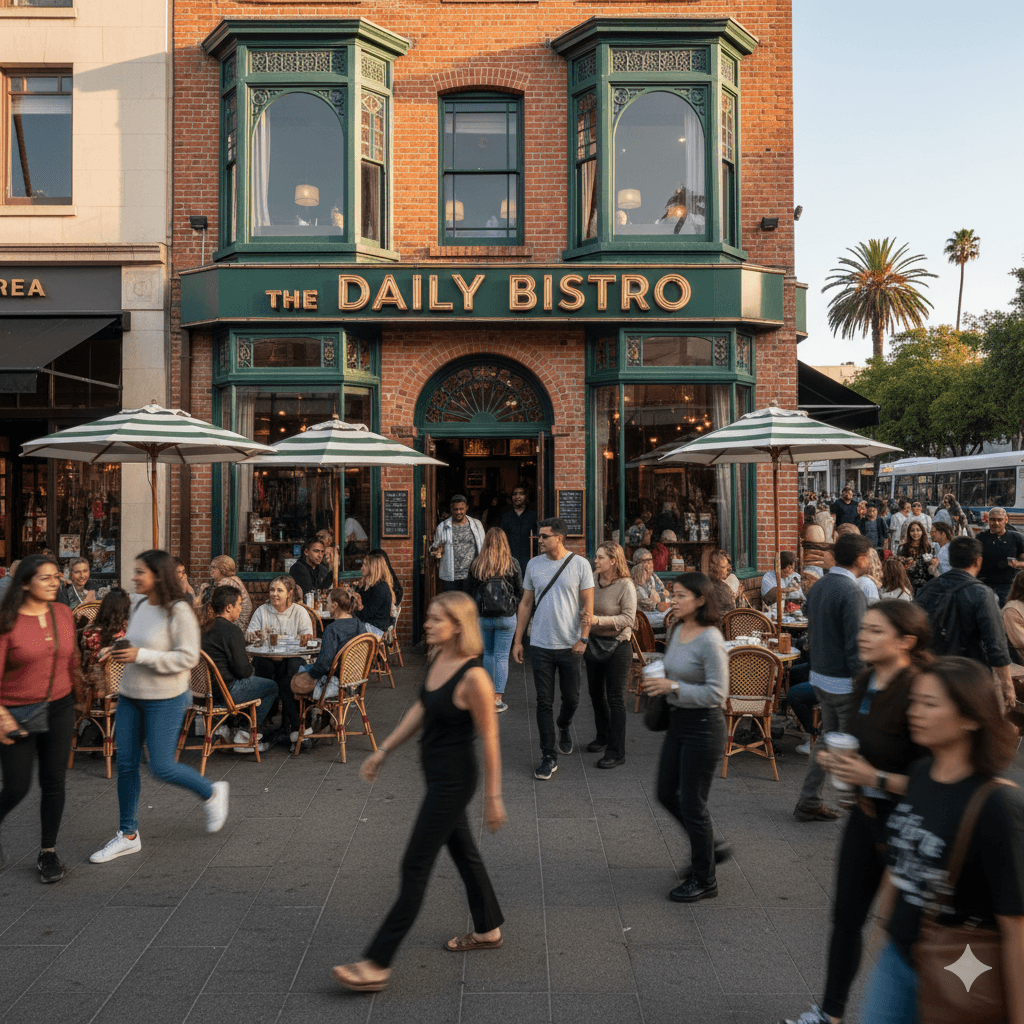
Foot traffic data shows how many people visit a specific area — and when. For restaurants, it helps answer questions like:
Are there consistent lunch crowds on weekdays?
Does the area get evening or weekend traffic?
How much pedestrian vs. drive-by visibility does it get?
Understanding these patterns helps you match your concept to the area’s natural flow. A brunch café thrives in daytime foot traffic, while a bar or dinner concept needs nighttime volume.
💡 Pro Tip: Use platforms like Placer.ai, Tablelot’s upcoming Competitive Analysis Calculator, or local BID (Business Improvement District) reports to get foot traffic trends by time and day.
- Demographics: Who’s in Your Market
High foot traffic means little if it’s not your target customer. Look at:
Median household income (to gauge spending power)
Age distribution (young professionals vs. families vs. retirees)
Ethnic and cultural mix (great for concept alignment and menu design)
You can often access these insights through Tablelot’s location intelligence tools or local census data.
For example, if you’re opening a healthy fast-casual brand, you’ll want daytime workers and higher-income residents within a short walk or drive radius.
- Competition and Concept Synergy
Proximity to other restaurants isn’t always a bad thing. In fact, restaurant clusters often perform better because they attract consistent diners and foot traffic.
When analyzing competition:
Identify direct competitors (same cuisine/type)
Look for complementary concepts (coffee shops, dessert bars, bars, etc.)
Map out daypart overlap (breakfast/lunch/dinner focus)
💡 Pro Tip: The Tablelot Competitive Analysis Calculator will help visualize this — showing foot traffic, nearby restaurant types, and local household spending.
- Accessibility and Visibility
Even the busiest street can fail a restaurant if customers can’t park or see your signage. When touring a space, evaluate:
Parking access and number of stalls nearby
Walkability and street visibility
Signage exposure (corner lots often win big here)
Delivery driver access for takeout or catering
- Real-World Example
A recent Tablelot user was deciding between two restaurant spaces — one on a high-traffic retail street and another with lower foot traffic but better parking and visibility.
After running both through our foot traffic and demographic tools, they chose the second space — it had higher income households within a 1-mile radius and double the weekend visits, a perfect match for their brunch concept.
- Make Smarter Location Decisions with Tablelot
Restaurant real estate is all about fit — between your concept, your customer, and your location. Tablelot helps simplify this process by giving you:
Verified restaurant-ready listings (with venting, hood, and grease trap info)
Market data on foot traffic, demographics, and competition
The ability to list your own restaurant or lease opportunity
👉 Visit Tablelot.com to explore spaces or request early access to our Competitive Analysis Calculator launching soon.