
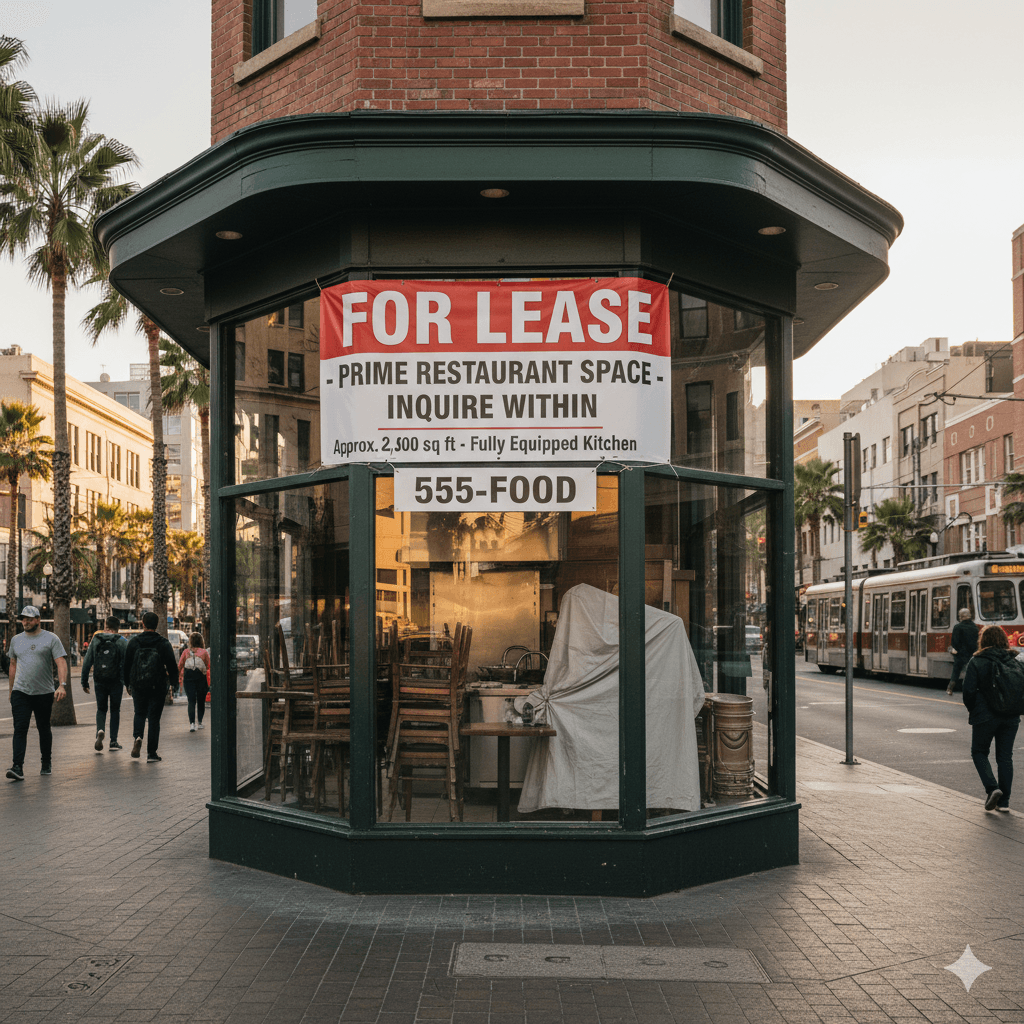
Finding the right restaurant space can make or break your concept. Whether you’re opening your first spot or expanding a proven brand, restaurant real estate comes with its own challenges — venting, grease traps, liquor licensing, zoning, and foot traffic. At Tablelot.com, we specialize in helping operators, brokers, and landlords connect through verified, restaurant-ready listings — saving time, money, and headaches. Here’s what to know before signing your next restaurant lease or purchase agreement.
- Choose the Right Type of Restaurant Real Estate There are three main types of spaces to consider: • Second-generation restaurant spaces: Already built out with hoods, grease traps, and plumbing — saves you thousands in buildout costs. • Vanilla shell spaces: Blank canvas ready for your vision, but expect higher upfront investment. • Built-to-suit options: Landlord builds out to your specs — perfect for multi-unit operators with a proven concept. 👉 Pro Tip: Tablelot lets you filter listings by venting, kitchen type, and liquor license — so you find spaces truly restaurant-ready.
- Understand the Lease Terms Restaurant leases are more complex than standard retail deals. Pay attention to: • Length of term & options to renew • Rent escalations • Tenant improvement (TI) allowances • CUP or zoning restrictions • Percentage rent clauses (based on sales) If the landlord doesn’t understand restaurant operations, clarify key needs like hood venting, waste line access, and delivery zones early.
- Analyze Location Data A great restaurant space doesn’t just look right — it performs right. Review: • Foot traffic & daytime population • Parking availability & visibility • Household income & demographics • Nearby operators (complementary or competitive) 💡 Use Tablelot’s upcoming Competitive Analysis Calculator to compare nearby restaurants, visitor trends, and local spending power.
- Check Infrastructure and Compliance Never assume the existing setup meets code. Verify: • Grease trap capacity • Hood and fire suppression system • Electrical load & HVAC condition • ADA and health department compliance These details directly impact your opening timeline and budget.
- Consider Resale and Exit Potential Even if you’re in it for the long run, always think resale. Spaces in established restaurant corridors (like Culver City, Old Pasadena, or Downtown LA) hold stronger resale value because they’re proven markets with high operator demand. Listing your restaurant for sale on Tablelot lets you reach qualified buyers looking specifically for turnkey operations.
- Work With Restaurant-Specific Brokers Not all brokers understand restaurant infrastructure or licensing. Working with an agent who specializes in restaurant real estate helps you avoid zoning or permitting delays — and they can often spot hidden costs before you commit. You can also browse verified listings directly on Tablelot.com — where brokers list only restaurant-ready properties.
Conclusion Restaurant real estate is one of the most overlooked — yet most important — parts of launching a successful concept. By focusing on infrastructure, lease terms, and local demand data, you set your business up for success from day one. Ready to find your next space? 👉 Browse verified restaurant listings or add your own at Tablelot.com — the marketplace built for the restaurant world.