
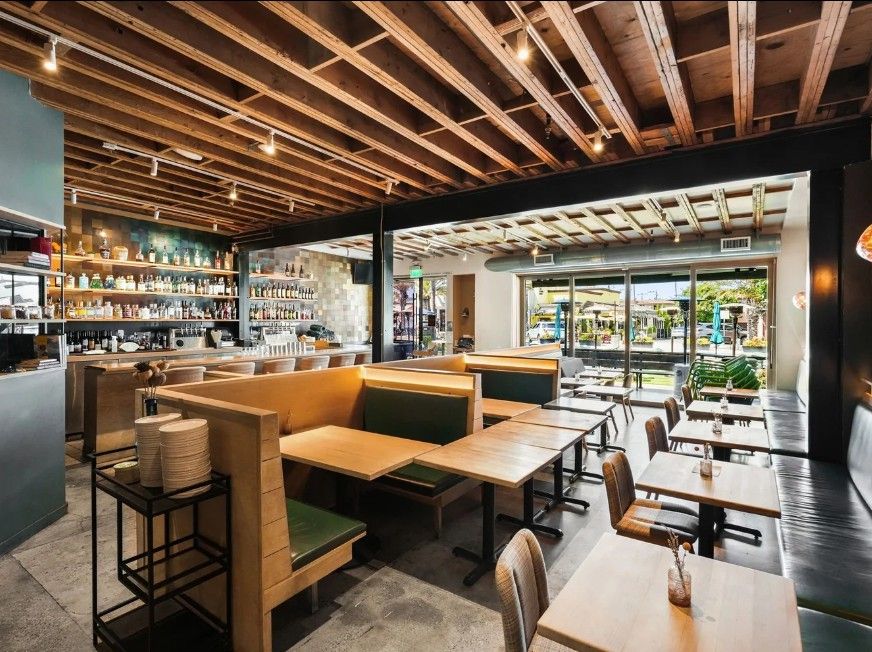
Top Los Angeles Neighborhoods for New Restaurant Concepts in 2025 Los Angeles has long been a playground for culinary innovation, from street tacos to high-end tasting menus. If you’re planning to open a new restaurant in 2025, location is everything. Certain neighborhoods are emerging as hotspots for new concepts, offering the right mix of foot traffic, demographics, and opportunity. Here’s a breakdown of the top neighborhoods to consider.
- Arts District, Downtown LA Once an industrial hub, the Arts District has transformed into a vibrant cultural and culinary destination. With loft-style spaces, growing residential developments, and a younger, trend-conscious population, it’s ideal for modern casual dining, coffee shops, and craft-driven concepts. Data Snapshot: Metric Value Foot Traffic (weekly) 15,000+ visitors Competitor Density High (coffee shops & modern casual) Why it’s hot: • High density of creative professionals • Weekend foot traffic from galleries, breweries, and events • Flexible spaces suitable for pop-ups and experimental menus
- Highland Park Highland Park attracts locals seeking authentic, neighborhood-driven dining experiences. Its historic charm makes it perfect for ethnic cuisine, brunch spots, and casual cafes. Data Snapshot: Metric Value Foot Traffic (weekly) 10,000+ visitors Competitor Density Moderate (Mexican, coffee, casual dining) Why it’s hot: • Strong community vibe with loyal regulars • Opportunities for hybrid concepts (cafe + retail)
- West Adams West Adams is emerging as a trendy yet approachable neighborhood for new restaurants. It’s attracting operators looking for mid-market casual dining and modern comfort food concepts. Data Snapshot: Metric Value Foot Traffic (weekly) 8,000+ visitors Competitor Density Low to moderate Why it’s hot: • Easy access to major thoroughfares and growing residential population • Mix of historic buildings and new developments • Less saturated than Culver City or Downtown
- Silver Lake Silver Lake remains a creative epicenter, perfect for boutique coffee shops, small plates, and artisanal restaurants. The neighborhood rewards operators with a loyal, trend-savvy clientele. Data Snapshot: Metric Value Foot Traffic (weekly) 12,000+ visitors Competitor Density High (specialty coffee, niche cuisine) Why it’s hot: • Established food culture with high foot traffic • Audience willing to spend on innovative concepts • Great for experimental or niche menus
- Culver City Culver City is experiencing a renaissance with new residential and commercial projects. It’s particularly appealing for family-friendly dining, casual lunch spots, and experiential restaurants. Data Snapshot: Metric Value Foot Traffic (weekly) 14,000+ visitors Competitor Density Moderate (variety of cuisines, mix of established & new) Why it’s hot: • Growing office population supporting lunch and happy hour concepts • Expanding residential areas bringing consistent dinner traffic • Mix of established restaurateurs and new concepts
📌 Key Takeaways for Restaurateurs • Emerging neighborhoods like Arts District and West Adams offer opportunities for modern, casual, and experimental dining. • Trend-conscious areas like Silver Lake favor niche, artisanal, and high-quality concepts. • Community-driven neighborhoods like Highland Park and Culver City reward concepts that build loyalty. • Foot traffic and competitor density give insight into potential revenue and positioning.
Opening a restaurant in Los Angeles is as much about choosing the right neighborhood as it is about concept and execution. Platforms like Tablelot make it easier to find, lease, or buy spaces in these emerging hotspots — connecting you with landlords, brokers, and other operators who understand the market. Start exploring opportunities today at Tablelot.com.