
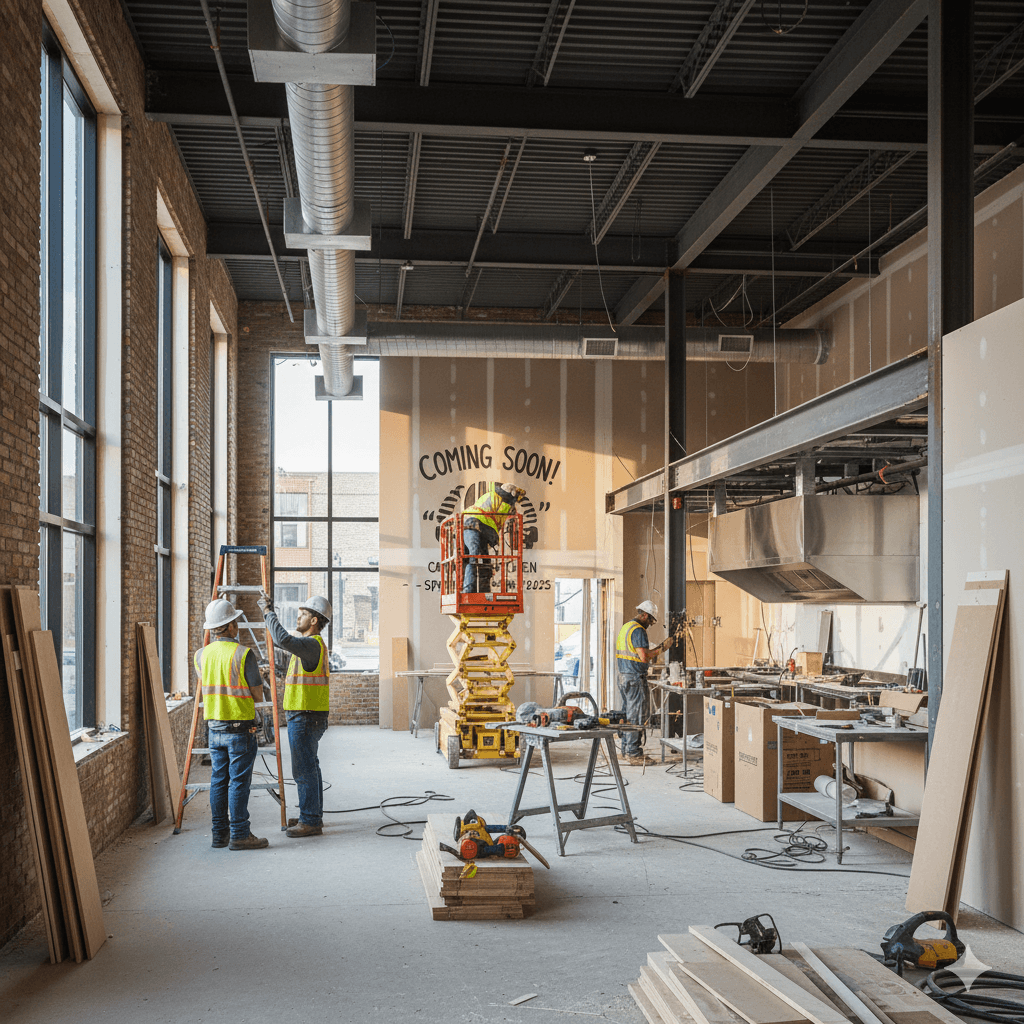
If you’ve ever priced out a restaurant buildout, you know the shock that comes with it. Between permits, equipment, plumbing, and code compliance, even a small space can run into hundreds of thousands of dollars before your first plate hits the table.
At Tablelot.com , we specialize in helping restaurateurs find second-generation restaurant spaces that already have the infrastructure in place — saving both time and money.
Here’s a breakdown of the most common hidden costs to watch out for before signing that lease.
- Permits and Approvals
Getting permits for a new restaurant can be a long and costly process. Expect fees for:
Building and health department permits
Conditional Use Permits (CUP) for alcohol
Fire department and ADA compliance reviews
In high-regulation cities like Los Angeles, delays alone can add months and thousands of dollars to your timeline.
💡 Pro Tip: Choose a location that already has a valid CUP or restaurant use history — Tablelot lets you filter for those spaces.
- Plumbing and Grease Trap Installation
New plumbing and grease interceptors are one of the biggest hidden costs in restaurant construction. Depending on the location and capacity, installing or upgrading a grease trap can cost $20,000–$60,000+.
Second-generation spaces often already include these systems, meaning you can get up and running much faster and cheaper.
- Hood, Venting, and Fire Suppression
Installing a new Type I hood system (for cooking with grease or smoke) costs $40,000–$100,000 depending on the size and distance to the roof. Fire suppression systems, exhaust ductwork, and roof penetrations add even more.
That’s why existing restaurant spaces with functional hoods and venting are such valuable finds — they save you months of approvals and major capital.
- Electrical and HVAC Upgrades
Restaurant kitchens draw heavy electrical loads — especially for equipment like fryers, dishwashers, and refrigeration. Older retail units often need electrical panel upgrades or HVAC replacements, which can run another $10,000–$30,000.
When evaluating a space, always ask for the previous equipment load or as-built electrical plans.
- Code Compliance and Accessibility
ADA compliance, fire codes, and health regulations are constantly evolving. Adding things like accessible restrooms, handwashing stations, or new exits can trigger major construction and re-inspection costs.
💡 Pro Tip: Ask your broker or landlord for the most recent inspection reports — and check when the last Certificate of Occupancy was issued.
- The Value of Second-Generation Restaurant Spaces
This is where second-generation (or “turnkey”) restaurant spaces shine. They already have:
Installed hoods and grease traps
Restrooms and ADA compliance
Plumbing and gas lines in place
Past restaurant use permits
You can save $150K–$300K and open months faster — which is why Tablelot focuses specifically on restaurant-ready listings.
Conclusion
Before you commit to building from scratch, run the numbers. Sometimes that blank shell looks tempting, but when you factor in permits, plumbing, and hood systems, a second-generation restaurant space could be a smarter, faster, and more affordable choice.
👉 Find your next restaurant-ready space or list your own at Tablelot.com — the marketplace built for the restaurant world.