
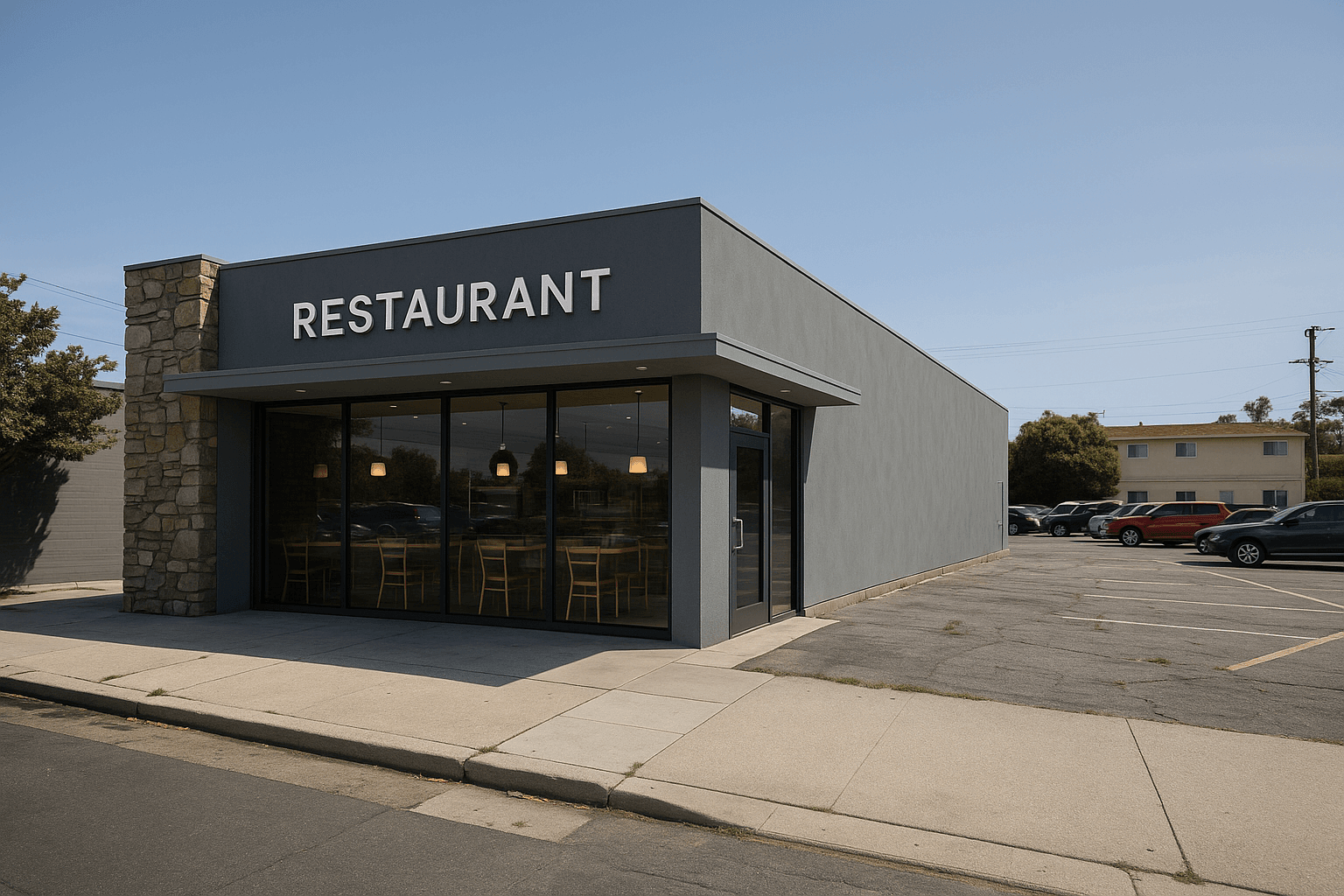
The Real Cost of Leasing a Restaurant in LA: What to Expect in 2025 Opening a restaurant in Los Angeles is an exciting venture, but understanding the true cost of leasing a space is crucial for financial planning and long-term success. In 2025, the dynamics of the LA commercial real estate market have evolved, influenced by factors like market stabilization, tenant protections, and shifting demand patterns. This guide provides an in-depth look at what restaurateurs can expect when leasing a restaurant space in LA this year.
📊 Average Lease Rates in Los Angeles The cost of leasing a restaurant space in Los Angeles varies significantly based on location, size, and market demand. Here's a snapshot of average lease rates per square foot in key areas: • Citywide Average: Approximately $53 per square foot annually, translating to about $4.42 per square foot per month. • West Los Angeles: Around $51 per square foot annually. • East Los Angeles: Approximately $32 per square foot annually. • Downtown LA: Retail spaces average $3.08 per square foot per month. • Santa Monica: Retail spaces average $58.59 per square foot annually. These figures highlight the variability in lease costs across different neighborhoods, influenced by factors such as foot traffic, local demand, and proximity to key attractions.
🧾 Understanding Lease Structures Restaurant leases in Los Angeles typically follow one of three structures:
- Gross Lease: The landlord covers all operating expenses, including taxes, insurance, and maintenance. This structure provides predictable costs for tenants.
- Net Lease: Tenants pay a base rent plus a share of operating expenses. There are variations: o Single Net Lease (N Lease): Tenant pays base rent and property taxes. o Double Net Lease (NN Lease): Tenant pays base rent, property taxes, and insurance. o Triple Net Lease (NNN Lease): Tenant pays base rent plus property taxes, insurance, and maintenance costs. Understanding these structures is vital for budgeting and financial planning.
🛠️ Additional Costs to Consider Beyond base rent, restaurateurs should anticipate the following expenses: • Common Area Maintenance (CAM) Fees: Charges for shared spaces and services in multi-tenant properties. • Utilities: Costs for electricity, water, gas, and trash services. • Property Taxes and Insurance: Depending on the lease structure, these may be the tenant's responsibility. • Renovation and Build-Out Costs: Expenses for customizing the space to meet operational needs. • Permits and Licenses: Costs associated with obtaining necessary legal approvals to operate. These additional costs can significantly impact the overall budget and should be factored into the financial planning process.
🏙️ Neighborhood-Specific Insights Different neighborhoods in Los Angeles offer unique opportunities and challenges for restaurateurs: • Downtown LA: Offers a mix of historical charm and modern amenities, attracting a diverse clientele. • West Los Angeles: Known for its affluent demographic and high foot traffic, leading to higher lease rates. • East Los Angeles: Provides more affordable leasing options with a rich cultural heritage, appealing to a vibrant community. • Santa Monica: A prime location with high tourist traffic, but correspondingly high lease costs. Each neighborhood presents distinct advantages and considerations, making it essential to align the restaurant concept with the chosen location.
⚖️ Legal Considerations in 2025 Starting January 1, 2025, California's Senate Bill 1103 introduces new protections for "qualifying commercial tenants," including: • Limitations on Rent Increases: Caps on how much and how often rent can be increased during the lease term. • Extended Notice Periods: Requirements for longer notice before lease terminations or rent hikes. • Enhanced Negotiation Rights: Strengthened ability for tenants to negotiate lease terms. These protections aim to provide greater stability and predictability for commercial tenants in California.
💡 Tips for Restaurateurs To navigate the leasing landscape effectively: • Conduct Thorough Market Research: Understand local market conditions and comparable lease rates. • Engage a Real Estate Professional: Work with brokers experienced in restaurant leases to identify suitable properties. • Negotiate Lease Terms: Aim for favorable terms, including rent escalations, lease duration, and renewal options. • Plan for Additional Costs: Budget for CAM fees, utilities, and other operational expenses. • Understand Legal Protections: Stay informed about tenant rights and protections under California law.
📌 Final Thoughts Leasing a restaurant space in Los Angeles in 2025 requires careful consideration of various factors, including lease structures, additional costs, neighborhood dynamics, and legal protections. By conducting thorough research and planning, restaurateurs can make informed decisions that align with their business goals and financial capabilities.